How do I choose the right filament diameter for my brush?
- Share
- Issue Time
- Oct 28,2026
Start from the finish you need, then balance stiffness against conformity: thicker for aggressive cutting, thinner for fine, uniform surfaces.
Diameter determines how stiff each filament strand is. Stiff strands press harder into the workpiece and remove material faster; flexible strands follow contours and spread the cutting action over more contact points.
0.3 - 0.6 mmFine detailing, contour following, light deburring and fine finishes on small parts.
0.8 - 1.2 mmAll-round middle range for surface preparation, general deburring and brushing.
1.5 - 2.5 mmHeavy-duty brushes for stone lines and aggressive stock removal with high power.
Three checks before fixing the diameter
- 1. Brush density: Dense brush faces can use thinner filaments to keep stiffness where it counts.
- 2. Machine power and speed: High-power, high-speed lines handle stiffer, larger diameters without stalling.
- 3. Target finish: If the next step is polishing, choose one diameter finer than you think and test.
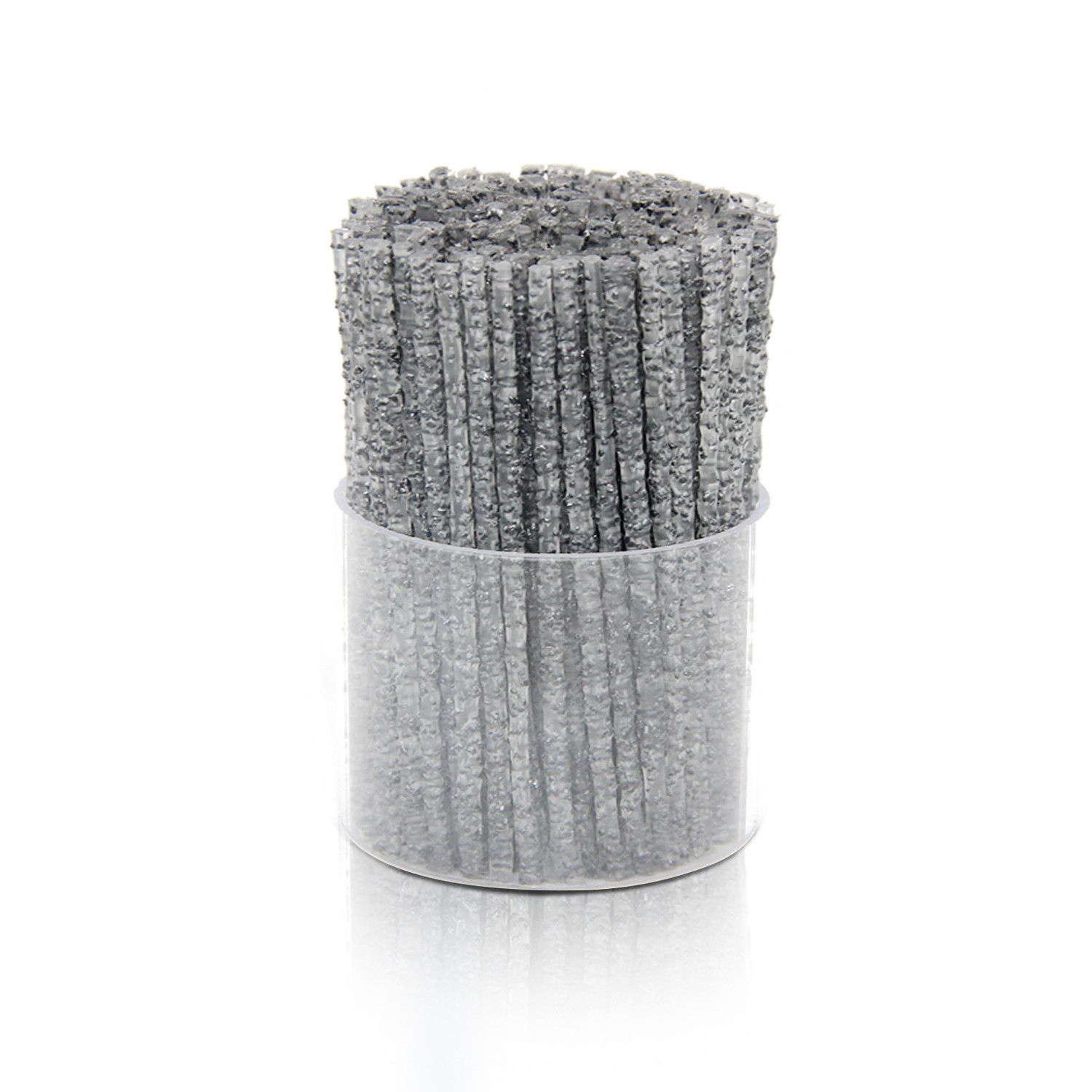
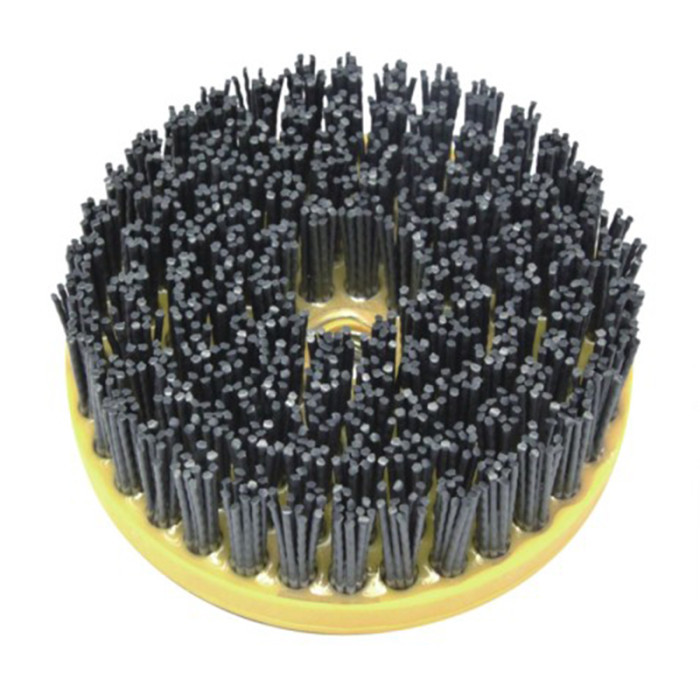
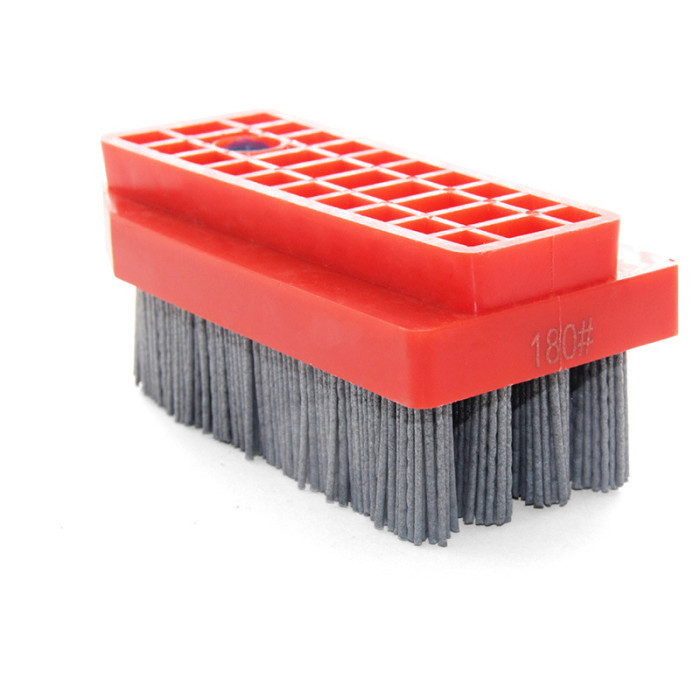
We can produce trial brushes in two diameters for side-by-side testing - start via our OEM FAQ.