What is ceramic abrasive filament and when should I use it?
- Share
- Issue Time
- Oct 28,2026
Ceramic filament is the high-performance option: its grains self-sharpen under pressure for fast cutting on demanding work.
Ceramic abrasive filament carries ceramic alumina grains - engineered abrasives that micro-fracture at the surface under grinding pressure. Each micro-fracture exposes a new sharp edge, so instead of dulling, the grain keeps renewing itself exactly where it touches the workpiece.
Use ceramic filament when
- Pressure is high: Robotic deburring cells and heavy brushing stations get the full self-sharpening benefit.
- Material is hard: Hard alloys and hardened steels where conventional grains glaze or dull quickly.
- Life per brush matters: Longer life between changes offsets the higher filament price.
Stay with aluminum oxide when
- Load is light: Light-touch finishing does not generate enough pressure to activate micro-fracturing.
- Budget rules: For general brushing, aluminum oxide delivers stable results at lower cost.
- Finish is fine: Very fine pre-polish passes may favour softer-acting grains.
Getting the most from ceramic
Ceramic grains need working pressure to self-sharpen. If your brush runs feather-light, the grains behave like ordinary abrasives. Match ceramic filament with adequate down-force or feed pressure and it will outlast both aluminum oxide and silicon carbide on demanding jobs.
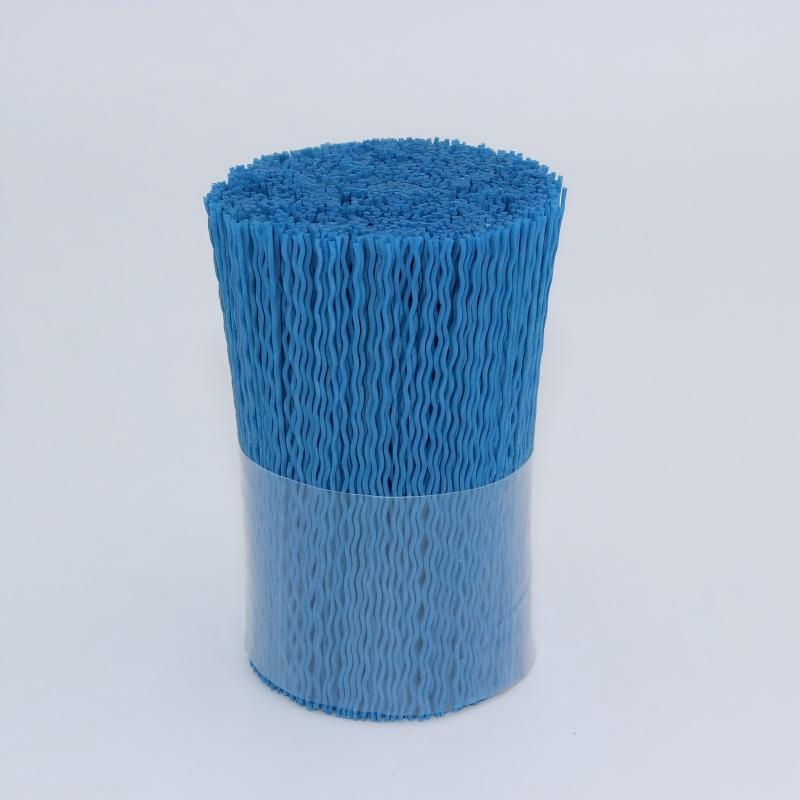
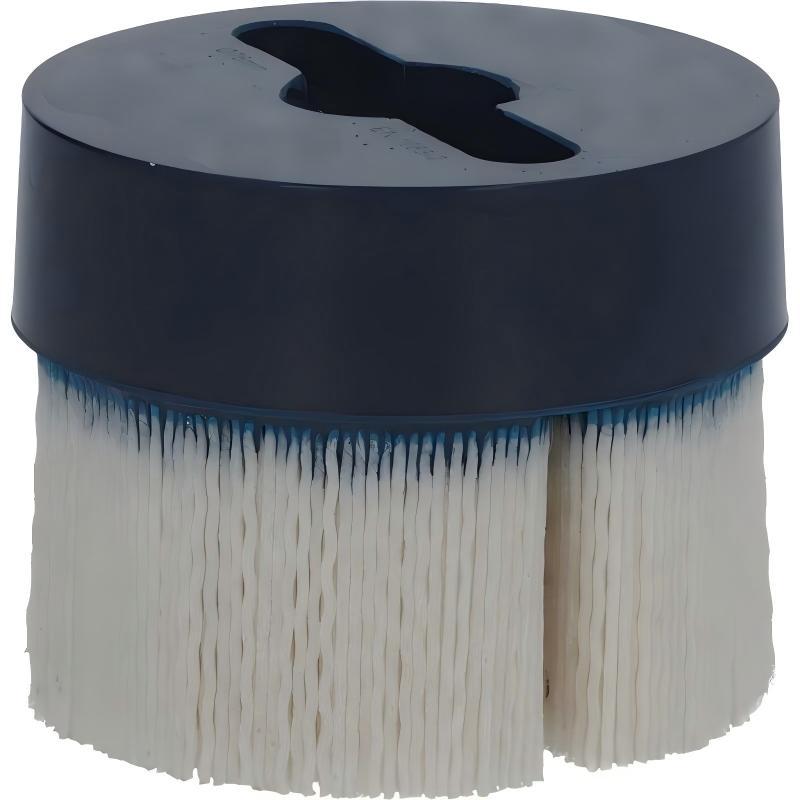
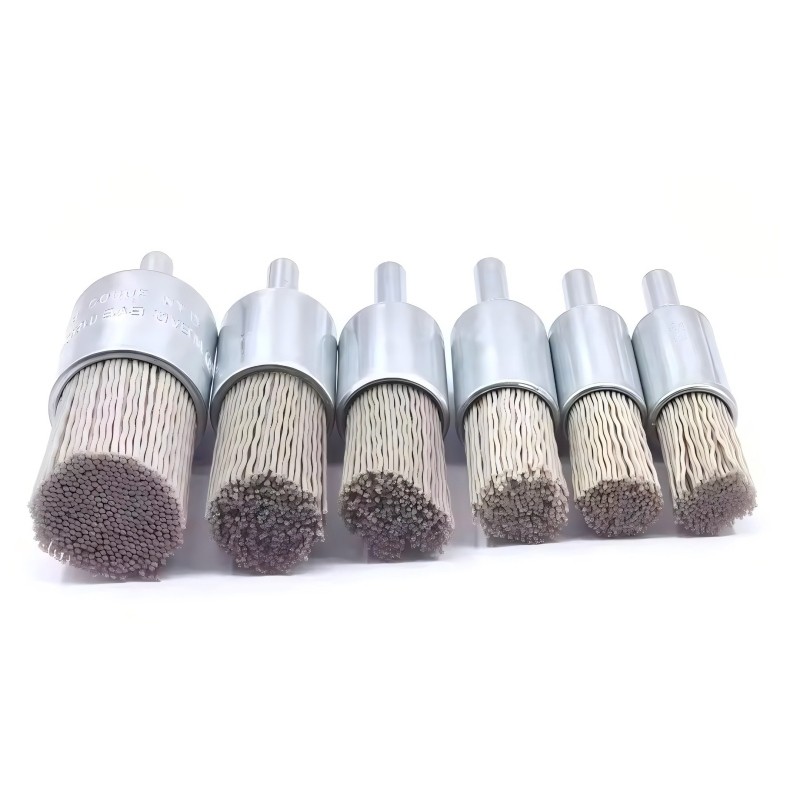
Product details on the PA612 Ceramic Filament page.